
• Home
  • About Us
  • Contact Us
Sarah-Godfrey_black_high-res
  • Self Help Sessions
  • Blog
Sarah-Godfrey_black_high-res
  • Home
  • About Us
  • Our Fees
  • Blog
  • Courses
  • FAQ
  • Contact Us

LIFE-COACH-COMPS-02-noframe

By Sarah Godfrey

In takes more than a short course to develop the skills and ability to guide someone towards personal success and deeper understanding of their own behaviour, patterns, and attitudes. Let’s be frank from the get go. Life Coaching is a highly unregulated industry that has a reputation of overcharging and under delivering.  Essentially anyone, without any formal training or being held accountable to a board monitoring ethical practice, can call themselves a life coach. This means, generally, they can coach you any way they want with very little accountability, can cross professional boundaries and steer you down pathways they may not have the skill base and experience to take you. Often you may have paid out exorbitant amounts of money before you find out your coach has less real experience and ability than you already had.

To help you decide who is best for you here are some tips that can give you a staring point on what to look for.
 Ask your coach how they will demonstrate progress, accountability, motivation and goal success.

What are the range of ways they will help you stay on task, reflect, grow and monitor your development.
Ask your coach their background experience and educational-academic achievements.

A lot of letters behind a name is irrelevant if you don’t know what they mean or they are a series of online or short courses without anything substantial behind them.
areas-of-lifeAsk how long they have worked in the industry.

Everyone will tell you they have  excellent listening and questioning skills. In realty these skills take years of practice and skill levels to master. There is a huge difference between listening and hearing. Between questions for the sake of asking and intuitively driven questions to drive your energy forward.
Define what you really want.
A coach? A mentor? A lot of direction and accountability or a place to reflect and discuss? Find the life coach that will provide the style and skill set you need.
A Life Coach should not be your best friend.
The difference between the two is a Life Coach will challenge you and tell you things a friend will not. Be wary of Life Coaches that shift the relationship into a friendship, it is unethical and unhelpful.
Be wary of the hype.
Life Coaching can promise a lot but people are people and no professional can give you instant results. Change is about steady growth, built on the new knowledge you are learning, solidifying into concepts and tested against entrenched beliefs and attitudes. Sometimes we have epiphany moments. Things become clearer and sharper and we see a path forward or a resolution to a problem. These moments come from hard work, excellent guidance and careful challenges to old notions of self. All of which you have done, not your coach.
boat_in_river_751“Your coach is like the river and you are the boat. We will move you forward but you are doing the hard work staying afloat and steering the boat.”
They cannot tell you when the process of learning will be finished. There are no levels or time frames that they can promise you will reach your goals by. If anyone promises they can do this, they are misleading you. You are the master of your progress.

Don’t be dazzled by computer generated data.

Watch out for Life Coaches who rely on assessments. Basic personality profiling can be done by anyone with a bank account large enough to pay for the training. Assessments tell you interesting and worthwhile information but cannot predict how you will cope in real world situations with real people. They are statistics based on norms and those norms are based on cultures and age groups upon which the assessment was trialled. Only a highly skilled professional can teach you how your profile and characteristics really translate into your life, past and present. Anyone can read a computer generated summary and graph. Your Life Coach should have far more skills than the analysis of personality profiles to help you develop successfully.
life_coachingDon’t let your Life Coach let you avoid emotional awareness.
None of us gets out of looking in the mirror if we really want to grow and find true motivation and purpose. Spreadsheets, homework, tables and questionnaires are tools to keep you focused but let’s get real, accountability is not the same as inspiration, passion, having courageous conversations and unblocking those emotional walls. Reflection, acknowledgment and observation are just as, if not more important than, tracking and completing your to-do-list.
 Be wary of fads and your need for them.
Choose evidence based effective styles of coaching rather than latching on to the latest fad or assessment. Most people who have seen a lot of life coaches and mentors or completed a range of profiles are missing the point. Avoidance strategies to be truly challenged push some to keep swopping coaches and seeking the new assessments or faddish approaches. The answer is not “out there” but within you. The right Life Coach will commit to developing this insight and internal knowledge so your sense of reward and achievement will grow at a steady and healthy rate.
Be inspired, motivated and challenged with our expert team of Life Coaches. Drawing on years of professional experience across a wide range of influences, including psychological, spiritual and humanistic, let us work with you to energise your life, excel in your workplace, motivate your need for self awareness and grow your skill base.
9bc426f0b658a22Invest in yourself and reap the rewards of healthy communication and support.
Have fun finding out what you are truly capable of achieving, personally and professionally.
Drive your need for growth, insight and self awareness further than ever before.
Develop highly effective strategies to maneuverer through our increasingly complex world and relationships.
You can learn better ways to mange tricky situations.
You can focus on your real time needs and accomplishments
You can experience the skills of impartial observation and mentorship.
Explore non-judgment feedback on your performance across all areas of your life.
Most of all let us build an environment of trust, professionalism and support to assist your own growth.

To take advantage of all opportunities make an appointment now with
Sarah Godfrey
Olivia Sack
Filed Under: Uncategorized

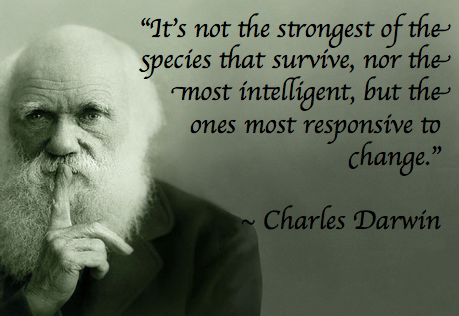
Darwin

Adaptability

Over the past years – and particularly over the past months, it has become increasingly evident to me, that the ability to adapt to changing circumstances in life, is of utmost importance in overcoming adversity – and in generally “coping”.

Both professionally – in my role as a Psychologist, as well as personally, I have come to appreciate just how important this twelve letter word is.

Adaptability…….. is defined by the Oxford dictionary as “the ability to adjust to different conditions – such as being an adaptable person”.

Over the years, I have admired people who move their lives and their families from one country to another, those who continue to live life after being diagnosed with a chronic – or even a life-threatening illness, those who experience a major tragedy or trauma, and yet somehow find the strength to move forward. Or those who experience a change or altered circumstances in their personal or professional lives.

Some people are able to “ride the wave of adversity” more easily than others, or are able to move forward much more easily than others.

PrintWhy is this so??

There are many reasons, many variables and many possible explanations as to why some people find it difficult to adjust or adapt to life’s many challenges – at times unbelievably difficult challenges and tragic situations, however, more often than not there is often a general theme – that of wanting the circumstance to “change back” to the way it was – or to “go back to the way things used to be” – or to try to change the circumstance, environment or situation to something more familiar, more manageable, less complicated, etc.

Many people in this situation, spend time wishing it were different, sometimes trying to change others, or lamenting their plight, or feeling angry about their situation.

Whilst this is a perfectly natural response – and often difficult to avoid, if not managed sensitively, this response – or these thoughts, have the ability to make things even more difficult, or to prevent adaption, or adjustment, or even the ability to move forward. It creates a blockage – either making the situation worse, or just making the individual feel powerless or “stuck” – and often depressed.

Sometimes when we can’t change the circumstance, or can’t change the situation – we are battling something too big – and no matter how hard we try, we do not feel better. When this happens the only way to make any change at all, is to try to make the change within ourselves – For us to “adapt” to the situation, to try to help ourselves cope, manage, find a way to move forward – We can’t change others, and we often can’t change a situation or circumstance – we can only change ourselves. We can’t change the world – we can try to make the change within ourselves. The world is continually changing. We need to change with it.

In recent years, Scientists have discovered and become excited about believing that our brains now have the ability to change, to repair, to heal. Neuroplasticity – or the ability of the brain to adapt to a change in circumstance or needs, is one of the most exciting discoveries in the world of Brain research. It debunks the previously held myth that once the brain is damaged, it is impossible to heal or repair. It gives new hope to those with brain injury or stroke.

Plasticity is one of the synonyms for Adaptability!adaptabilty 2

Surely if we apply the same belief to ourselves – then we believe that no matter what the circumstance or situation, it is up to us to try to “adapt” ourselves to the change, rather than to expect or hope that the situation will “go away” or change back to the way it was.

Sometimes it is just up to us to accept that this is now the new “altered” situation, and to ask ourselves: “What can we do to adapt ourselves to these new conditions?” “What can we do to make the situation as best as it can be – slowly, or one little bit at a time?”

I marvel at the way people are adaptable. It takes determination, strength – often courage, but it is possible!

Sometimes it is difficult to do this alone. Sometimes it is difficult to see things clearly through confused or cloudy eyes – or even through shock, illness or fatigue – but it is possible! We must be determined to make things work – or to simply just “cope”. It is also possible – and not a terrible thing, to reach out to those around us – or to seek professional help. We must believe that it is possible, for it to even become possible. We must never ever give up or lose the power of adaptability!

you can’t drive forward whilst looking in the rear vision mirror!
Because if you do, you will crash!
It is important to look ahead, be mindful of the moment!
And cognisant of the destination!
Sylvia B. Werba
Psychologist MMAPS, CCOUNPs, CEDP
Copyright 2015 (c)

Filed Under: Uncategorized

By Sarah Godfrey

change 1Okay so you heard them say it. You watched the new personnel arrive and the renovations are in full swing. So why do you feel so anxious? Why does change in our work environment make us so nervous?
Let’s be real. Nothing goes smoothly in life. Change in the workplace is going to be just as turbulent, difficult at times and frustrating as change can be in our personal lives. The workplace environment is a home away from home. We build relationships, spend the majority of our week there and have built routines and patterns that ensure we are effective, safe and comfortable in our work places and with the people we work with.
Then our employers decide they need to change everything.
Our first reaction is to feel powerless.
This change is being forced upon us. We become defensive, fearful and resistant to the new ideas delivered to us. (Ever heard yourself say, “there was nothing wrong with the way it was,” or “does that mean it’s out with the old and in with the new?” or “ am I going to lose my job?”). Our reactions are an undercurrent of our need for routine and stability. It is a natural, yet an unnecessary, expenditure of emotional energy.
Part of our reaction to change is structured into our individual personality. Characteristics that we are born with (associated with a sense of autonomy, understanding, individualisation and self-reliance), are linked to our ability to cope with change. Other factors like flexibility, adaptability, intellectual curiosity and understanding play a major part in accepting and managing change. In other words some of us are wired to cope with change. We take change on board like we breathe. Excited, energised and anticipatory of something novel arriving. Change stimulates the brain, motivates and taps into our strengths.
For the rest of us we have to work just a little harder at helping our brains adapt and accept the novel and unknown.
We need to coax our anxiety out of the shadows where it is ruminating about the hundreds of unwanted possibilities the change will trigger. New job roles, new skills, new staff, new policies and even new workplace environments. Too many ‘news’. And with that the fear. Can I cope? Will I learn the new tasks? Will I get on with the new staff? Will I fit in the new image? The brain becomes panicked and our ability to adapt stops.
540_293_resize_20130801_6e78bac7c5d6cb732e496363ffe71899_jpgChange is the only constant in our lives.
We change from child to adult, from single to coupled, from parent to grandparent, employed to retired, so many changes we experience we naturally accept and often strive for. The workplace environment is merely an extension of that. It cannot remain static. It needs to grow, upgrade, expand, shift with economic and structural needs, move with new staff, ideas and knowledge. If it doesn’t the workplace will eventually fold. We want change. We need change. We should seek it and celebrate when it arrives because it gives each of us a chance to grow.
Some of you in the workplace will change their work role and thrive. Some will decide to leave. Neither choice is wrong, only different. Each step forward is movement towards learning something more about yourself, how you cope and how you need to keep growing, personally and professionally.
Happiness is a concept consisting of many components.
A large piece of the How to Be Happy Pie is in our ability to accept change, be flexible and adaptable. If we start to block change, stamp our feet and refuse to move with it we lose the moment to challenge ourselves on a personal development level and participate in the new. Our negativity can become a contagion amongst our colleagues. A staff room can become a space to complain and moan instead of encourage and excite. No matter what shifts and moves around us we are responsible for our own happiness and the way we accept the inevitable.
Change will happen with or without us.
So when change knocks on your workplace door, try opening it and inviting it in. It is a lot more fun and enjoyable than slamming it shut.

Here are a summary of tips that can help you.change2
Remind yourself that change does happen personally and professionally. Expect things will be different at some point in the workplace and it will reduce your shock and anxiety.
Take note when change is starting to happen. Pay attention in meetings. Ask questions. Participate in the future of the organisation you work in. Be alert and open to the small signals that trigger your intuition that something is happen.
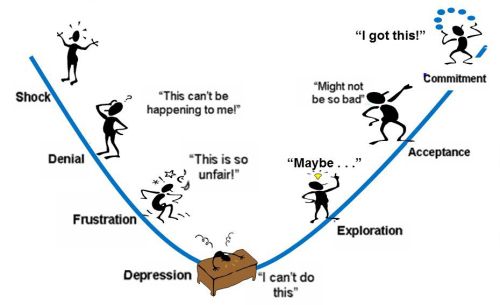
Recognise your state of mind. You may move through denial, shock, anger and finally acceptance. Seek help through your workplace support if you are getting stuck in any stage.
Start a conversation. The more you know the less anxiety. Even if you are anxious or worried about the answers the brain likes to know what is happening so it can problem solve. Keeping it in the dark feeds that anxiety. Watch the negative language. If you phrase everything negatively your brain is hearing it and your emotions will align with what you say. You need details and timelines so you can determine how change will directly and indirectly affect you, your work related relationships and your job role. Talk to people who know what is happening rather than colleagues who may be mixing rumours with facts.
The workplace is not the environment to doom and gloom but a good workplace will provide time and outlets to talk through your insecurities and concerns in a professional and confidential manner. Make a commitment and get those around you to do the same, to be positive. Make a game of turning each negative into positive. Negativity can spread amongst work colleagues like a virus. Try and stay away from rumours and gossip.
Check in on your own response. How are you going? Do you usually struggle with new and novel things? Are you taking the change personally or professionally? How is your mood state? How are others affecting you? (Have a look at the article on Contagion Stress ). Seek professional help if you are not coping. Check if your organisation have an Employment Assistance Program and use it to get sound advice on how to manage things.
Your chances of successfully moving forward in the changes is based on how quickly you can begin to adapt and be flexible. Use old skills in a new way. Everything you have learnt in the workplace can be adapted, used, expanded upon and reworked to fit with the new direction or changes in job criteria that may be coming your way. Find the similarities and start there.
Focus on the day to day tasks you need to complete. We can mistakenly act as if we don’t need to work hard during change. Insecurity and anxiety can affect our work and we can start to behave as if the work we are doing will become meaningless as soon as the new roles or positions come in to play. Don’t forget you are still a paid employee. This is not a time to slack off. Show your employer and team around you that you are professional in spite of uncertainty. Look for every and any opportunities that change can provide. Be involved, participate and project an image of positivity.
We can all get caught up in details that we don’t need to worry about. When change is forced upon us we need to stand back and big picture what is really happening. Project yourself into the near future, when the renovations are finished and you have a new beautiful workplace to come to every day, when the new boss has settled in and the changes have improved the workplace and created new opportunities, where the new staff end up being great to work with and help you become more professional and skilled in your job. Change can be frightening and disruptive. Cultivate the right attitude, pay attention to what you need to know and avoid getting caught up with gossip.
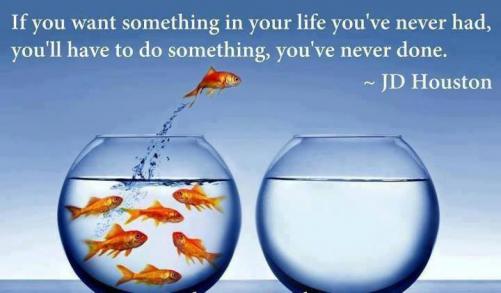
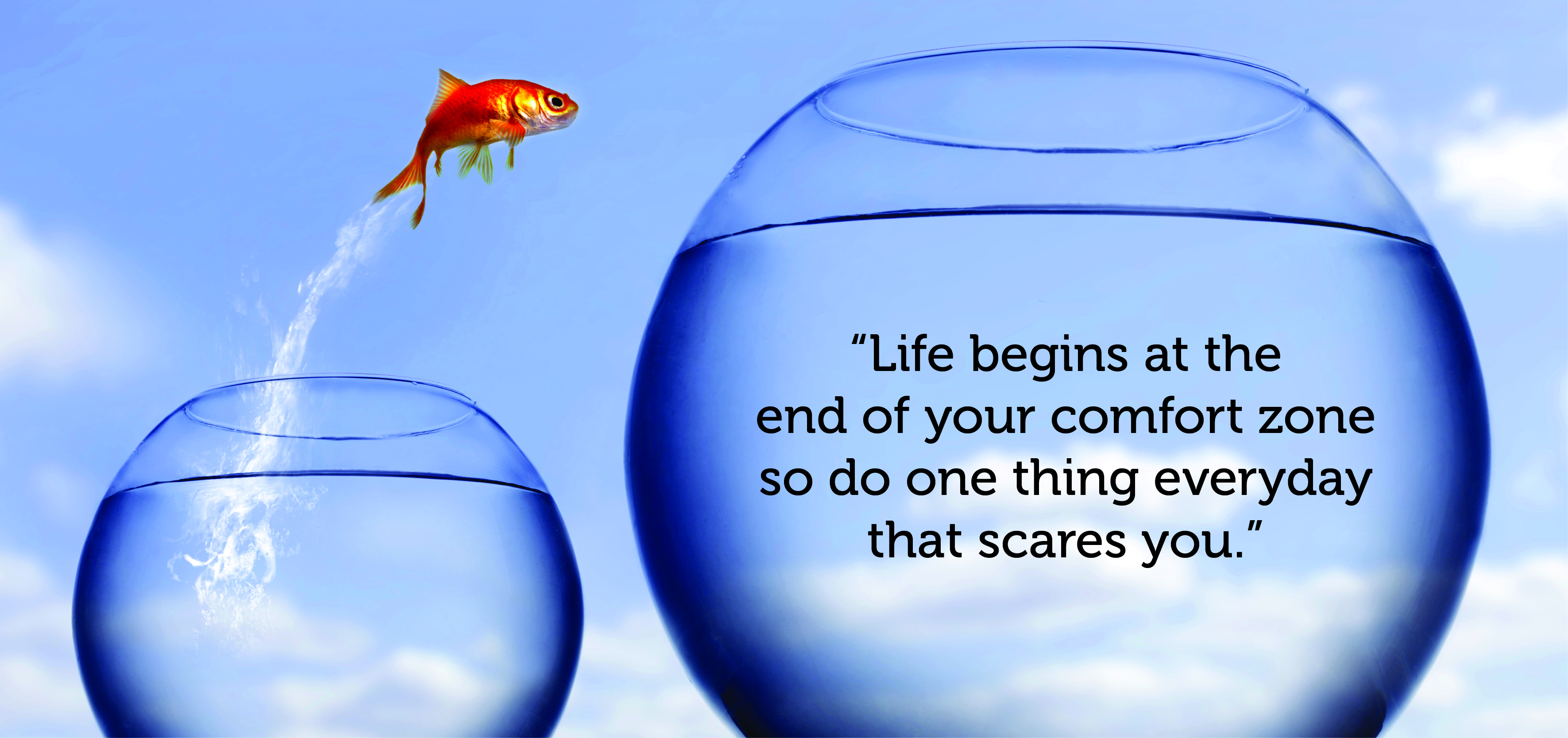
fish-in-bowl-with-quote2The following is adapted from The 10 Rules of Change by Stan Goldberg

Realise Behaviour is complex . Break down the behaviour. Separate your desired behaviour into smaller, self-contained tasks that can reduce the huge idea of change into progressive moments leading to change.
Change Is Frightening. We resist change, but fear of the unknown can result in clinging to status quo behaviours—no matter how bad they are. Examine the consequences. Compare all the outcomes good and bad and chose the behaviours that will bring the most positive outcome for you. The more positive you are and act the less anxiety you will experience.
Be realistic. Unrealistic goals increase fear. Fear increases the probability of failure. No change occurs overnight so don’t assume you will comfortable straight away. Give your self time and compassion to adjust and accept the new reality.
Change Must Be Positive. Enjoy the parts of change you can. You might not like all of the new and innovative ideas coming your way so focus on the ones you are looking forward to implementing or experiencing. Simplify the process, prepare for problems and stay calm.

Filed Under: Uncategorized

By Olivia Sack, Moving Mindsets Psychology Clinic

iStock_000020206934Small

Technology has become an integral part of our daily lives, and you probably cannot remember spending a day without your smart phone or tablet. Imagine sitting around a dinner table with a group of friends, and a beep goes off. Everyone instinctively picks up their phone to check whether they have received a text message or email, and it is perfectly acceptable. In fact it has become normal for us to respond immediately to ‘the beep’.

We all know from our daily lives that technology has changed the way people work, but has it helped or hindered our quest for Work-Life Balance? Some would argue that it has increased our ability to have flexibility in the way we work, and we are able to work anywhere, anytime, with greater connectivity.

We can work effectively from the comfort of our home, on a beach in Tahiti, or in the evenings after spending the day being a parent. It gives us the freedom to manage our time, and the flexibility to structure our day so that we can be everything we wish to be.

However technology has facilitated a 24/7 working culture where many of us feel that we cannot really switch off, even while going to sleep in the evening, or whilst on holiday. We operate in a global community where our customers, colleagues and friends are interacting with us in different time zones, and we are expected to respond at a rapid rate. Whilst technology does bring greater flexibility, it can increase our stress levels and our inability to relax and turn off our thinking mind.

So how can we foster the benefits of technology?
1. Set expectations that are reasonable and achievable. Does an email need to be read and responded to immediately, or can we still provide a service and be professional by responding within 24 hours?
2. Set boundaries that allow you to be present in your home life. It used to be acceptable to switch off from work between 6pm-8am, so what has changed? Try and go back to setting basic boundaries and stick to them.
3. Switch off your email notifications so that you don’t feel compelled to respond to ‘the beep’.
4. Ensure that you spend the first half hour of the day doing something peaceful and do not check your email or phone. This sets the tone for the day so try exercising, meditation or simply reflecting.
5. Do not take your technology to bed with you.

Happy blonde

Filed Under: Uncategorized

miley

By Sarah Godfrey

Ever looked across a party and to your surprise you see your psychologist twerking like there is no tomorrow? Or committing PDA’s with their partners? Or have you walked through a shopping centre to find your counsellor looking frazzled as they steer crying, misbehaving children through the crowds?
I have been a practising psychologist for a long time. It’s a funny kind of job because it isn’t really a job. Being a psychologist is a 24 hour a day, 365 days a year commitment. That’s because people in treatment cannot simply shut off their distress because its Friday. Crisis happens any time and we need to respond whether it’s when you’re having dinner with your family; when you are on holiday; at 2.00am in the morning or 10 minutes into your first date. In America 8.7 million people were treated for depression in 2007. The statistics are higher now. In the U.K, 84% of people presenting to G.Ps have a mental health issue (stress and anxiety being the most common). Part of our job is that our professional lives clash with our personal lives. It’s what we do and we knew it when we signed up for the career.
Like a principal of a school, a teacher, a doctor or a psychiatrist our roles seem to define us beyond the job description. What is not often talked about, is where our personal lives intersect with people’s images of how a psychologist should be out of work. The funny thing is most people assume we are psychologist 24 hours a day and can be shocked when they catch us behaving in ways that they might.psych (2)
So what happens when you spot your shrink getting jiggy with it and making a fool of themselves? Does the confidence you held for that therapist come crashing down or do you shrug and move on? And what about when you find out that person you have sat next to at dinner, (yes, the one you just told all that inappropriate personal stuff to), is a practicing psychologist? Does it matter? Do you wish you had said nothing?
People are often surprised to meet psychologists out and about. It’s like we only gather in huddles with our kind. (I think a huddle of psychologist is pretty apt. We like to sit close together and talk in low, unthreatening tones. Maybe it should be a whisper of psychologists).
What are the expectation of those we meet and treat about who we are, how we behave away from our consulting rooms? In other words when is a psychologist allowed not to be a psychologist? Would you respect your psychologist opinion if you spotted them on the dance floor twerking like Miley Cyrus at the MTV awards. Would it change the therapeutic relationship? Or would you yell out, “Go Girl!” and admire their talent to bust a move.
psychFriends and family, as well as strangers, may have an implicit belief psychologist should always be ‘on.’ How many times have you said or thought, “As a psychologist they should understand, get it, know better” or any number of assumptions that imply psychologist in their personal lives and interactions should always be thinking analytically and professionally?
Don’t they get time off too? Are they not allowed to make mistakes and say the wrong thing in their personal lives just like everyone else? When do they and those around them switch off the therapy light and let the personal self roam free?
What this parallel role can do is make psychologist somewhat inhibited. Perhaps less relaxed and more mindful of their position and the impact their role can have on people ( hence a reputation of being serious and inhibited or even, yes, boring). They are in a perpetual state of balancing the need to experience life in all its brilliance and mess just like everyone else and the need for others to see them a professional representation of mental wellbeing.
So if you see a psychologist and they are twerking away on the dance floor, perhaps don’t judge their professionalism and expertise by their bad dancing choices. Better to give a cheer and remind yourself they are human after all and capable, just like everyone else, of self-inflicted humiliation.
Unless of course it is me. Then I would classify seeing such a sight as a risk to the public. In which case please ask me to stop, throw a jacket over me and call me a cab.

Dr Dance / Peter Lovat
In the meantime here are some things that might be useful next time you run into your psychologist adapted from some helpful tips by Salman Akhtar MD.
We usually take our cue from you. We will steer clear of saying hi unless you indicate in some way that it is OK. You are free to make the choice that feels right to you at the time. There is no judgment either way.
If we do greet each other, we do our best to put you at ease, keeping conversation friendly, short and sweet. Because we are the professional in the relationship, the onus is on us to give guidance at a time when you may feel vulnerable.
Let’s agree that neither party will say anything referring to your therapeutic work or relationship like, “I’m having trouble with that homework you gave me.” Or “We’ll talk about that in our next session.” In other words what happens in session stays in session.
If other people are present, do not feel obliged to introduce us. We will understand your need for privacy. Likewise we probably won’t introduce you to whoever we are with, but if we do, do not feel obliged to say anything beyond, “Nice to meet you.”
Debrief the encounter in your next session if you have any lingering concerns, whether or not you actually greeted us, if you have any thoughts at all about running into us in public, what you said, didn’t say… we can air it all out together.
An ounce of prevention… Ask your therapist what to expect if you run into us in public before it happens. Such a conversation could be helpful to us both.

And if you do end up sitting next to a shrink at a dinner party, here is a gentle word of advice,
We are not reading your mind.  The more bizarre your reaction is, the more we will be inclined to analyse you. Other than that we really have no professional investment in your chatter but we may have a personal interest just like anyone else.
Sarah Godfrey is a Psychologist and Director of Moving Mindsets Psychology Clinic. She has recently appeared on Channel 31, JOY FM, been interviewed for the Herald Sun and other media.  You can contact MovingMindsets at www.movingmindsets.com.au.

Filed Under: Uncategorized

stress 3

By Sarah Godfrey

Ever  heard someone say you are stressing me out? Well, new research conducted by the Max Planck Institute for Cognitive and Brain Sciences and the Technische Universität Dresden has found that the saying may be more true than you thought. The study showed that stress can be highly contagious. And you can catch stress not only by being around a stressed person but by watching them.

“The fact that we could actually measure this empathic stress in the form of a significant hormone release was astonishing,” said researcher Veronika Engert, The study found that observing stress can create stress. Even being around a stressed person no matter the relationship, can cause you to feel stressed in a physically quantifiable way. Engert continued, “Stress has an enormous contagion potential.”

stressThe research focused on inducing stress in a group while being observed by others. Not surprisingly 95% of the people placed under direct stress showed signs of stress. The interesting results were produced by the 26% of observers who showed an increase in cortisol (the stress hormone) as a result of empathic stress. The observers’ stress increased when they were watching partners in a stressful situation (40%) and with strangers (10%). The results differed slightly between watching the stressful events through a one-way mirror (30%) versus watching the events unfold on video (24%).

“Even television programs depicting the suffering of other people can transmit that stress to viewers,” Engert said. The consequences of this study is significant in terms of the levels of our stress exposure, stress contagion and incidental stress.
Consider how much stress you view. In the workplace, watching the news, your selection of movies and of course playing Xbox and other gaming devices. Are we unwittingly raising our own stress levels without realising. What about helping a mate or a friend who wants to share their stress by talking with you?
Acknowledging that watching, listening and being exposed to people under stress can directly cause us to become stressed is important. In doing so we can instigate measures to reduce the contagion.
stress 2    Here are some tips to contain exposure to stress in daily life.
 Be more aware of what you are watching and allowing others to watch.
 Make better decisions about exposing yourself to stressful events.
 Limit your exposure to observing stress (news, movies, reality TV, gaming devices).
 In the workplace monitor the stress levels you are under. Be aware your own stress could be directly effecting those around you.
 Monitor and record your stress to gain a better understanding of what, when and who elevates your stress levels and then seek support to reduce these triggers.
 If your environment is full of stressful people implement strategies such as meditation, yoga and professional debriefing to reduce your contagion stress levels.
 Create supportive but clear boundaries with friends about listening to their stress and be aware of the impact of your own stress upon them. If it doesn’t resolve seek professional advice.

Filed Under: Uncategorized

By Sarah Godfrey

failure

We place a lot of emphasis on encouraging our children to succeed. But have we ignored a vital ingredient to achieving? The American Psychological Association published a study that indicated that if we tell our kids that failing is an option and that failing is a normal process of learning they are able to learn better.

A bunch of sixth grade students were given a difficult problem to solve. Afterwards half were told failure is normal and practice helps to overcome failure. The other half were asked how they attempted to solve the problem. They were assessed on working memory (a function that helps us succeed in academic learning) and reading comprehension. The kids who were given permission to fail had better results than those who had not been given the failure option.

Surprised? Let’s think about it. Our kids appear to be struggling with increasing anxiety related to performance. There is enormous pressure on students to achieve and by achieve we mean high achievement. There is nothing wrong with setting goals and high standards. On the contrary. It is important for all of us to strive for our best.

images (1) But what happens when our best is below par? What happens when we have a bad day or life, hormones and being a kid gets in the way of performance and ability? How does the emotional brain bounce back if it hasn’t a blueprint on the meaning of failure?

And what about intellectual risk taking. How do we encourage our kids to learn new and novel things if success is the total end game without understanding the concept of failing? The more we try to learn, the more chance we have of failing so sticking with “what you know” becomes a safe option.

Have we, in an eagerness to be positive and encouraging to our kids forgotten the golden rule for success. It is in attempting to solve problems or learn something new that we succeed, even when the results may fail at first or we may not reach the goals we initially set ourselves. The try, try again philosophy is built on an understanding that we will often fail before we succeed. And this process is integral to learning and achieving.102815-Failure-21

Incorporating an understanding of failure as part of the overall learning process may be just as important as encouraging our kids to succeed. The end result may be more resilient students, more intellectual risk taking and a reduction in performance anxiety.

That can only mean success for our kids.

Remember….

Perfect is not an attainable goal.

“One failed exam doth not maketh the man (or woman)” in other words we are far more than a lousy mark on a piece of paper. Learn from the mistake or failed grade. If you bummed out in Maths but got a part in the school play, or passed your English exam then it tells you something important about how your brain is wired. It struggles with numbers and enjoys words. It is not that you can’t succeed at maths, you will have to focus more on learning it. Being perfect means you have no place to grow, so accept imperfection and see things as a challenge not a failure. Pushing yourself from a fail to a just pass is success, don’t discard the small achievements.

Study what went wrong to learn what went right.

Stay in the now.

Anchor those ruminating thoughts. Stop thinking on what will happen and focus on the now. What do you need to do right this minute? Finish the chapter? Write up your notes? The worry that “I  have an exam to pass and it is too much to learn” can become “I have a chapter in a book to read right now and if I try to find one thing interesting in the whole chapter, then I have succeeded in learning.” Use your mind to control the worry rather than letting it control you. Stay with the details not the big picture when you are trying to study.

Failure is Growth

When you fail you learn to be smarter, more resilient, humble, compassionate for others who fail and determined. You will learn more about who you are by the way you manage disappointment and failure than you ever will know by the successes you achieve.

maxresdefault

Filed Under: Uncategorized

download

By by Sarah Godfrey

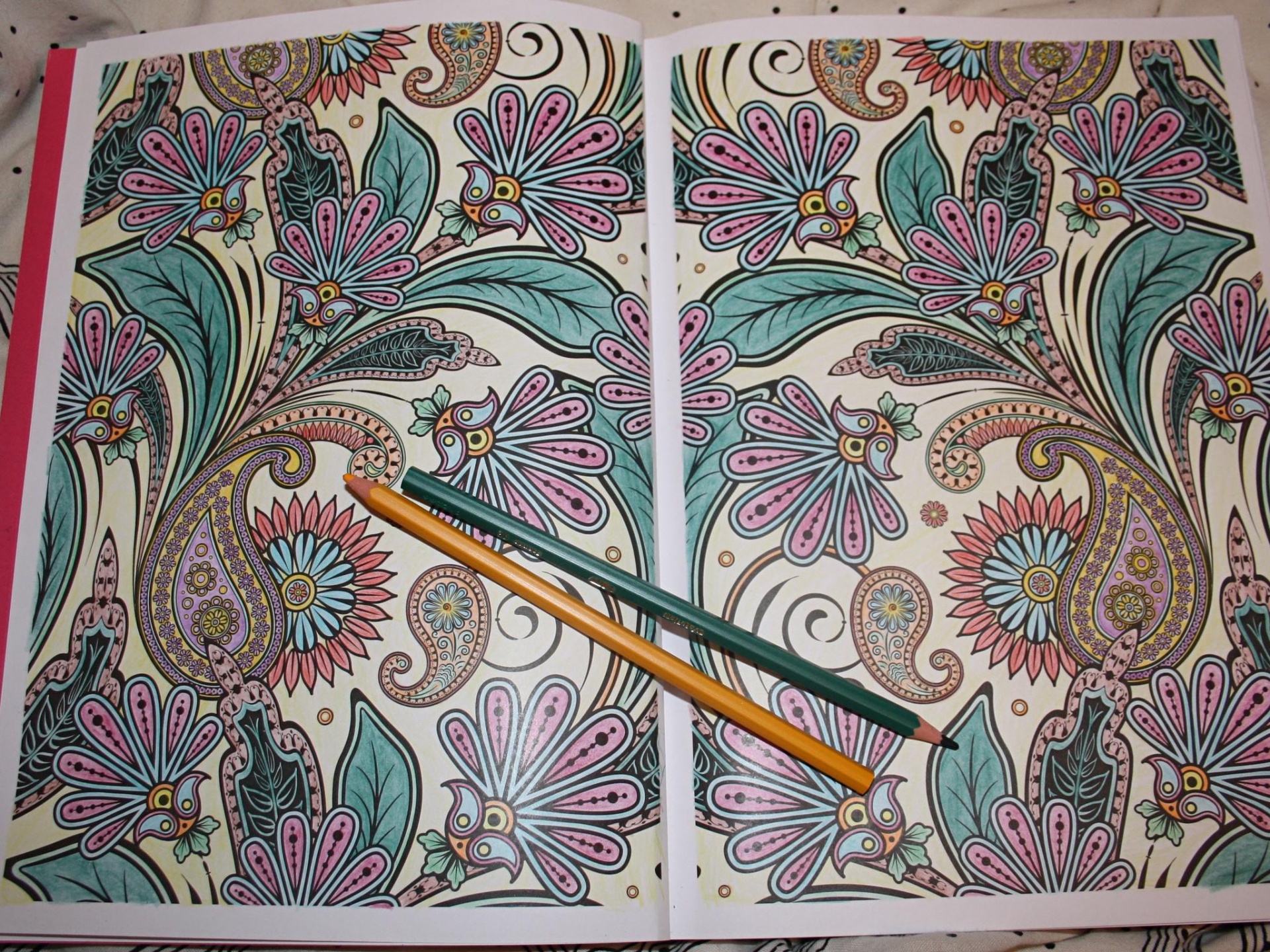
Hold on to your Derwents, colouring in is back in a big way. Anxious and stressed people worldwide are picking up their pencils and colouring their way to feeling better. From housewives to CEO’s, men and women are all opening up their adult colouring books and dropping out of their stressful lives. Even large corporations are encouraging their over worked employees to pick up the colouring book and start drawing. And the results are interesting. It seems the peaceful, easy and cheap activity of colouring can really help your mood state.
So what is this trend? Does it have any real effect on our well-being or is it a fad that the stressed out and world weary have grabbed at in hope for a simple quick fix to complex and real problems?
As a psychologist I am always looking for new research or treatments that can help people

reduce their levels of anxiety and stress. The Mindfulness trend has proven to be one such process that many people respond well to, but in my clinic many struggle to attend and follow Mindfulness, or find engaging in Mindfulness forms of meditation either impossible or irritating. I have used colouring in mandalas at times, particularly useful for anxious children. So it was with some interest I began to notice the chatter about adults colouring in books. It would appear Colouration may prove to be an effective form of Mindfulness using specifically designed pictures in order to create a moment in time where the thoughts and worries that preoccupy your mind disappear.

tree
From a psychoanalytic view colouring moves us back to our childhood, where time moved slowly and we could get lost for hours in the quiet pleasure of adding colour to black and white images. In a world that is full of white noise, where knowledge and information pass by us quickly, this once child based art of colouring is turning out to have more advantages to our adult selves than we knew.
Carl Jung was a Swiss psychiatrist and psychotherapist known for developing analytical psychology and being the student of Sigmund Freud. Jung’s influences came from Eastern and Western philosophy. He was the first psychologist who used colouring as a relaxation technique with his patients. Jung used Mandalas that originally came from India. Mandala’s are an ancient form of meditation using circular repetitive patterns that draw your eye towards the centre. This process is thought to relax the mind, body and spirit while allowing you to explore your creative mind.
Colouration isn’t grabbing your child’s animal farm colour book and colouring in the cows and fences (although fun and therefore beneficial too!) It is a process with an aim and purpose, engages in self reflection and insight and uses colour and Mandalas to help the brain move into a meditative state. Some colouring books will have therapeutic value and others will not.

three
There is a quiet trend towards old creative pursuits. Activities such as sewing, knitting, scrapbooking are enjoying an underground resurgence and colouring is another pastime that has provided much enjoyment for many. But does engaging in creative hobbies really help our wellbeing?
A study conducted by San Francisco State University found that having a creative pursuit outside the workplace has many benefits. They noticed work performance increased, stress levels decreased, problem solving using creativity increased and interpersonal skills and attitude improved. Yet many of us may struggle with being creative or finding time to learn a creative pursuit.
Colouring is a portable and no skill required pastime that anyone can do. So how does putting a pencil to paper improve our wellbeing? Psychologist Gloria Martinez Ayala reports that colouring uses both halves of the cerebral hemispheres meaning colouring uses logic, creativity, vision and fine motor skills. More importantly it can lower the activity of the Amygdala, or the emotional brain, that controls how we feel.

one
But it is not just the act of colouring that helps us feel better. Colouring uses colour, and there is a plethora of research on the psychology of colours and our emotions. In 2011 Wildermann, Barton and Hill determined that when it comes to using colour children are more flexible in their choice of colours and find colours pleasant and comforting while adult choices of colour are non-malleable. Colour psychology has determined that colour carries specific meaning and this meaning is learned or innate. So if, as we grow older and our choices of colour become more rigid does this limit an innate ability to use colour in our environment to help our mood state? Can we learn to use colour in simple ways to shift, even if temporarily, our mood state? Perhaps the success of colouration helps push us to use colours beyond our non-malleable choices. By connecting back to memories of when we could innately self sooth using colours on paper. Does it free our mind and allow us to be more flexible?
Colour can influence a person, physically and emotionally. For example studies have shown that red can increase the heart rate. Psychological research indicates cool colours such as greens and blues are associated with relaxation, relief and being calm. Warm colours can make some feel excited and positive. Black can indicate feeling overworked or nervous and, white a sense of confusion.mandala design
Colouration, when done therapeutic, combines our use of colour to shift and acknowledge mood states with the stimulating of the cerebral hemispheres to reduce the negative activity in our emotional brain. It assists developing creativity. It helps the conscious brain switch off and move into a quiet meditative place.
Psychological treatment is often serious and challenging. Sometimes it is ok to use a strategy that is fun, light and easily accessible and can bypass regular cognitive strategies.
Colouration may not be the panacea for everyone. But as a resource, when done properly, could help us by tuning into a pattern and colour in order to tune out to worries and stress, it is worth a try.

Happy colouring.

colour-books-005
Sarah Godfrey is a psychologist and director of Moving Mindsets Psychology and EAP services. For more information go to www.movingmindsets.com.au or call on 95705305.

Filed Under: Uncategorized

ego

By Meredith the Mentor  Posted on Psychology Today

Egos. They’re everywhere. Whether or not they’re attached to a particularly talented or productive person, egos have the potential to cause some serious damage at work.
When they clash, sparks fly. Colleagues may tiptoe around these egos, careful not to set them off but all the while resenting the fact they can’t simply speak up and make what needs to be done happen.
Indeed, it’s true that having to navigate egos at work is a significant cause of work dissatisfaction. What’s there to feel accomplished about if your greatest achievement of the day was sucking up to the individual who always has to be right and get his or her own way?
Thankfully, it is possible to manage egos at work. The following guide will help.
Ask yourself, is the problem you? This is the first step to navigating the egos in your office. Your own ego could be more of a problem than you think and could be shifting your perspective of others and what’s really causing the drama. Do you feel the need to always be right? Are you continually challenging the opinions and decisions of others? Can you take constructive criticism? You can’t expect to be able to deal with the egos of others unless you know how to manage your own.
Validate their worth. Sometimes, the big egos are just desperate for some love. That may just involve showing some appreciation for what they do and the effort they put in. It’s not difficult to offer a kind word from time to time, as long as such attention doesn’t mean the quieter, less egotistical team members go ignored.
Know the limits. It’s a fine balance figuring out how much to give in to an ego and when to push back. Getting the best out of people often requires appealing to their ego, but give too much and it’ll be continually expected. Set your boundaries and limitations in advance so you enter conversations prepared and ready for how far you’re willing to go.
Avoid/ignore/forget them. This may or may not be possible, depending on the relationship. But if it is possible then forget trying to compete or work with the egomaniacs in your office and ignore them. This means leaving your own ego at the door, and ignoring that underlying feeling to compete with them.
Cut them down to size, privately. This isn’t a nice thing to do, but if the big egos in your workplace are continually talking themselves up, sprouting bullshit and annoying everyone in the office, it’d be kind to just take them aside and try offering a few words of advice. Let them know that while they bring great experience and energy to their work, they might want to lay off the self talk a little and help encourage others in the team to speak up.
Speak up. There’s only so much you can take. When the egos in your office or team cross the line, pull them up on it. Tell all those involved to focus on the work, rather the personalities behind the work. Take them aside and ask what’s behind the behaviour and whether there are steps that can be taken to end it.
Celebrate collaboration. Acknowledging the outcomes of a team effort, rather than the individual contributions of the work such outcomes involved, can be a great trick for managing multiple egos in the office. From there, individuals can be privately acknowledged. While it’s important that colleagues and team members receive their own personalised feedback, celebrating the big picture is great for encouraging everyone to support and enjoy working with each other.
This is an edited version of advice that first appeared in May 2014.

Filed Under: Uncategorized

art

Expressive Therapies: Art Based Therapy with Anne Muscatello

Art based therapy, encourages individuals to express and understand their thoughts and emotions through the creative process and artistic expression. Using a range of creative tools and mediums, art-based therapy allows individuals to increase awareness of self and others utilising both non-verbal and verbal methods of communication. This in turn can enhance personal growth, enhance psychological function and increase coping skills.

(No art experience necessary)

“Art is our one true global language. It knows no nation, it favours no race, and it acknowledges no class. It speaks to our need to reveal, heal, and transform. It transcends our ordinary lives and lets us imagine what is possible” -Richard Kamler
Individual or Group based sessions available and suitable for Adolescents and Adults

Expressive Therapies: Sandplay Therapy

sandplay

Sandplay is a holistic and creative hands-on method of counselling. Miniature figures and objects are used to represent aspects of one’s life and inner world. The miniature figures are represented in a sand tray to express and process feelings as well as explore concerns and assist with decision-making abilities. It is an insightful process, which allows individuals to represent and work towards understanding the underlying thoughts and perceptions both past and present, which influence present circumstances. Sandplay allows a shift within the client that is both revealing and empowering as they become aware of unspoken issues, gain enhanced perspective and focus on identifying possible solutions.

“Often the hands know how to solve a riddle with which the intellect has wrestled in vain” – Carl Jung

Individual or Group based sessions available and suitable for Adolescents and Adults

Filed Under: Uncategorized

  • « Previous Page
  • 1
  • 2
  • 3
  • 4
  • 5
  • Next Page »
Need to talk?

Articles

  • Foundations of Relationships 
  • What are relationships?
  • Understanding anxiety
  • Why Do I Need to Have Emotions?
  • Caring for your Social Self
Sarah-Godfrey_black_high-res

Need to talk?

Contact Us
  • Blog
  • Our Fees
  • FAQ
  • Privacy Policy

Connect with Us

  • Instagram

  • Facebook

© Copyright 2026 Moving Mindsets. All Rights Reserved.

Designed & Developed by: